 RubySquare
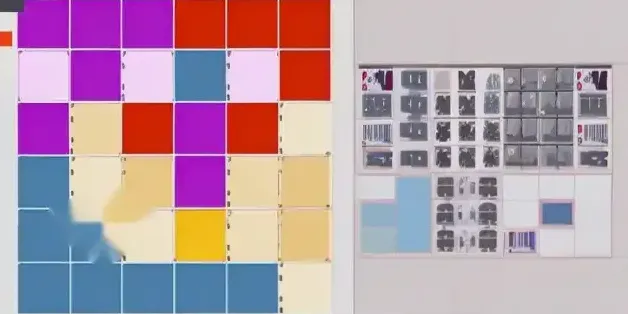
The cross method
The anchor technique behind efficient boards.
Undo less, plan more. The efficiency habits that turn a 40-move solver into a 20-move solver in three weeks.
Speed solving isn't fast fingers — it's cheap moves. Watch a top solver and the striking thing isn't how quickly they tap, it's how rarely they tap at all. Every rotation is paid for in advance by three seconds of reading.
An undo isn't free. Yes, it restores the board — but it also erases information. Every time you undo, you lose the state you'd just learned. Solvers who rely on undo learn the board in fragments; solvers who don't are forced to hold the whole plan. Within a week of playing no-undo, your move counts drop because your planning got honest.
Week one: play no-undo. Every board, every stage. Count boards abandoned — that's your honesty tax. Week two: undo allowed, but every use costs a written note on why it was needed. The notes cluster fast — usually on the same two or three mistake patterns.
Fix the top cluster and your move count drops by a third. Not because you got faster — because you stopped paying the mistake tax.
A perfect solve isn't the one with the fewest taps. It's the one where every tap was already decided.
Each undo erases the state you just learned — no-undo weeks force honest planning.
State what a rotation changes and preserves before tapping — slower-feeling, actually faster.
The last five moves hide the most waste — post-board review finds 30% fat instantly.
UI engineer & accessibility lead
Iker rebuilt Ruby Square's palette system and moonlights as a competitive solver. His personal best on stage 5-40 is nine moves.